Oxide inclusions are among the most persistent and detrimental impurities in steel. These non-metallic particles, such as alumina (Al₂O₃) and silica (SiO₂), can severely compromise the mechanical properties of the final product. They act as stress concentrators, leading to reduced ductility, poor fatigue resistance, and surface defects.
For steelmakers, the question isn’t “if” to control inclusions, but “how” to do it most effectively. While traditional methods like bulk addition exist, “cored wire technology”has emerged as the superior solution for precision and efficiency. This article details how cored wire tackles the challenge of oxide inclusions head-on.
The Problem with Traditional Methods
Before cored wire, common practices involved throwing bagged alloys or powders onto the molten steel bath. This approach is fraught with issues:
“Low Yield:” A significant portion of the reactive elements (like Calcium or Aluminum) is lost to oxidation by slag and air, leading to inconsistent results and wasted material.
“Poor Precision:” It’s difficult to control the exact amount of additive that reaches the molten steel, causing composition fluctuations.
“Safety and Environmental Hazards:” The process can be violent, causing splashing and fumes, creating a dangerous work environment.
What is Cored Wire? The Precision Delivery System
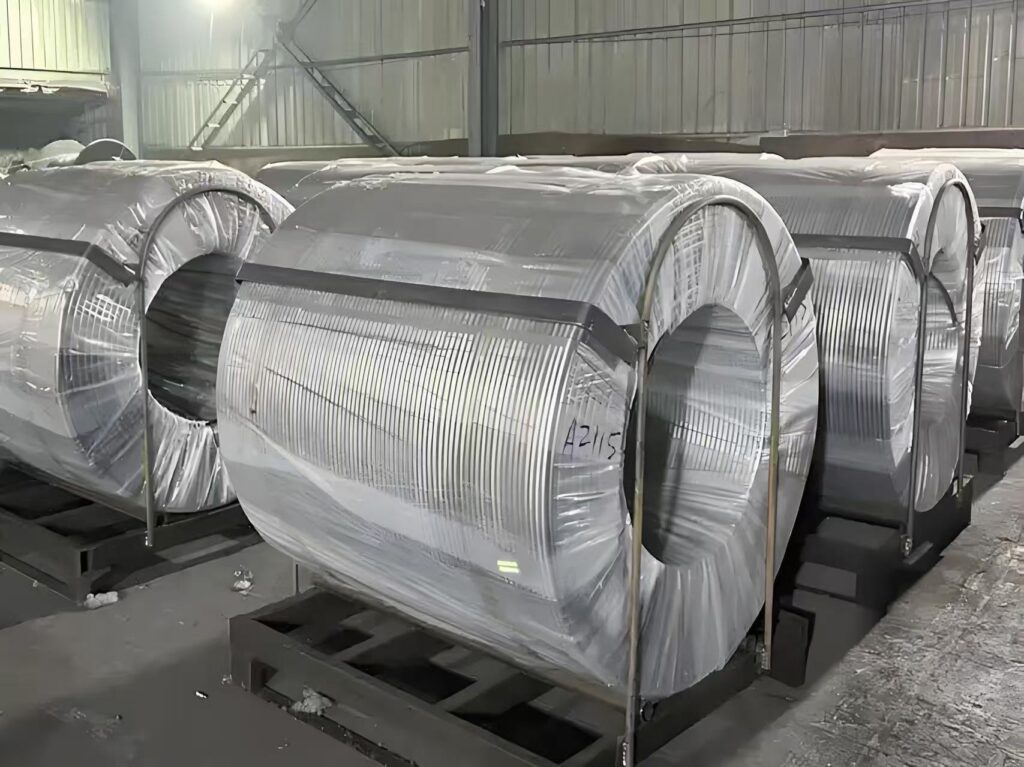
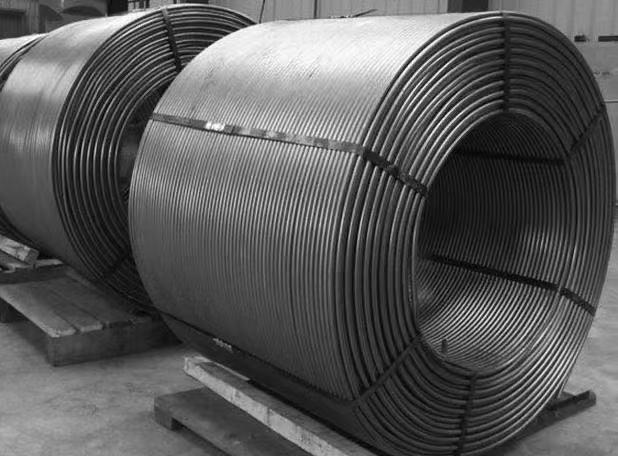
Cored wire is a sophisticated metallurgical tool. It consists of a thin, solid steel strip formed into a sheath, which is then filled with precise amounts of powdered alloys or reagents. The wire is coiled for easy handling and fed into the molten steel using a motorized feeder.
This simple yet brilliant design is the key to its effectiveness.
How Cored Wire Technology Reduces Oxide Inclusions: A Step-by-Step Guide
The core of the matter lies in the precise and protected delivery of deoxidizing and modifying agents. Here’s how it works:
1. Targeted Delivery:The cored wire is fed deep into the ladle, well below the slag layer and into the molten steel. This bypasses the slag and minimizes contact with air, dramatically reducing oxidation loss.
2. Deep Reaction Zone:Upon immersion, the steel sheath melts, releasing the encapsulated powder directly into the heart of the molten steel. This creates a localized, intense reaction zone where the modifying agents can work effectively.
3. Inclusion Modification (The Calcium Treatment): This is the most critical function. Aluminum is a powerful deoxidizer, but it creates solid, cluster-like alumina inclusions that are harmful for continuous casting and product quality.
Cored wires filled with Calcium-based alloys (e.g., CaSi) are used. The dissolved Calcium reacts with these solid alumina inclusions, converting them into “liquid calcium-aluminates”.
“Result:”These liquid globules are less likely to clog nozzles during casting and are more globular and dispersed in the final product, significantly reducing their detrimental effects.
4. Flotation and Removal: The chemical reaction and the argon stirring in the ladle help these modified, liquid inclusions float to the top and be absorbed by the slag, effectively cleansing the steel.
Key Benefits of Using Cored Wire for Inclusion Control
High and Predictable Yield: With recovery rates often exceeding 80-90% for elements like Calcium, you use less material to achieve the same metallurgical effect, reducing cost.
Superior Steel Quality: Consistent and deep injection leads to a cleaner steel with better mechanical properties, fewer defects, and improved castability.
Process Control and Repeatability: Automated wire feeders allow for precise control over the feed rate and depth, ensuring identical results heat after heat.
Improved Operational Safety: The clean, enclosed feeding process minimizes fume generation and metal splashing, creating a safer workplace.
Versatility: Beyond deoxidation, cored wires can be used for desulfurization, microalloying (Ti, B, Nb), and sulfide shape control.
Choosing the Right Cored Wire for Your Needs
The effectiveness depends on selecting the correct wire type:
·Calcium Silicon (CaSi) Wire: The go-to choice for alumina inclusion modification.
·Calcium Iron (CaFe) Wire:An alternative with a different calcium release profile.
·Aluminum Wire: For precise final aluminum trimming and deoxidation.
Rare Earth Metal Wires: For specialized steels to control sulfide morphology.
“Partner with a knowledgeable supplier”who can help you select the right wire, optimize your feeding parameters (speed, depth), and provide consistent, high-quality product.
Conclusion: An Essential Tool for Modern Steelmaking
In the relentless pursuit of higher-grade, cleaner steel, effectively managing oxide inclusions is non-negotiable. Cored wire technology is not just an accessory; it is an essential, precision tool that delivers tangible ROI through improved yield, enhanced product quality, and smoother operations.
By adopting a optimized cored wire practice, you are not just reducing inclusions—you are investing in the reliability and reputation of your final product.