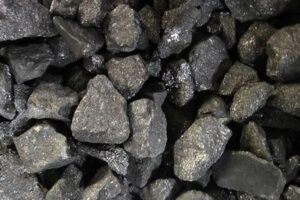

How to Determine the Right Ferro Boron Addition Rate
Ferro boron is unusual among steelmaking alloys. For most additions, more is better or at least harmless. Add extra manganese and the steel still meets spec. Add extra silicon, you may need to adjust the heat, but the steel is still usable. Boron is different. The effective range is extremely narrow and go
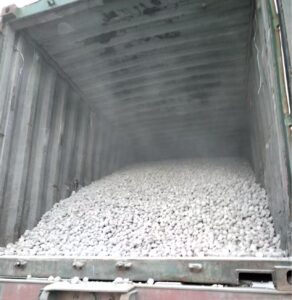
Why Caustic Calcined Magnesite Quality Varies
Caustic calcined magnesite looks like a simple product. It is a white powder or granule and the specification usually shows 90% to 95% MgO. Most buyers assume that if the MgO is right, the material will work. That assumption leads to disappointment more often than you might expect. Two batches of c

Choosing the Right Pure Calcium Cored Wire Specification
Pure calcium cored wire is not a single product. It comes in different diameters, different powder weights and different sheath thicknesses. Two wires that look similar on the outside can behave very differently in the ladle. One may feed smoothly and give good recovery. Another may break in the feeder or
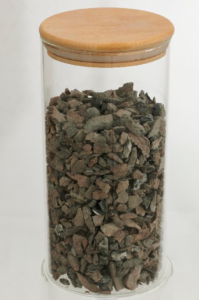
Calcium Carbide in Hot Metal Treatment and Foundry Work
When most people in the steel industry hear calcium carbide, they think of ladle desulfurization in steelmaking. That is the largest application and it is where most of the technical discussion focuses. But calcium carbide has another life in hot metal treatment and foundry work, where the conditions are d
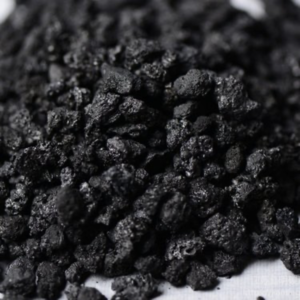
Graphitized Petroleum Coke for Critical Steel Grades
Not every steel grade needs graphitized petroleum coke. For ordinary carbon steels, regular calcined petroleum coke works perfectly well at a lower cost. But for certain grades, the difference between CPC and GPC is not about preference. It is about meeting a specification that CPC simply cannot achieve.
Seamless Cored Wire Who Really Needs It
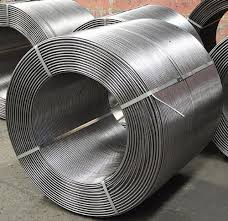
Introduction Seamless cored wire has been on the market for years. It costs more than regular welded wire and the manufacturers claim it performs better. Some mills have switched entirely. Others tried it and went back to regular wire. A few have never bothered to test it at all. The truth is that
Dead Burnt Magnesite Uses Beyond Brick Making
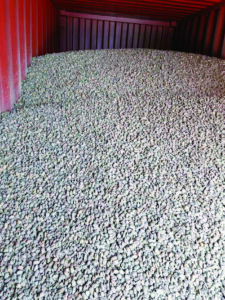
Introduction When most steelmakers hear dead burnt magnesite, they think of magnesia carbon bricks. That is the main use and it is where most of the material goes. But DBM has other roles in a steel plant, from gunning mixes to ramming materials to slag conditioning. The grade of DBM you need for a
Calcined Petroleum Coke Quality and Use in Steelmaking
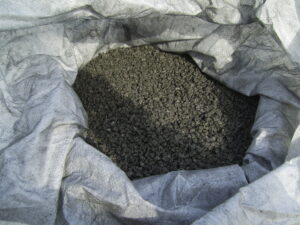
Introduction Calcined petroleum coke is the workhorse recarburizer for steelmaking. Most steel grades that need carbon adjustment use CPC at some stage. It is cheaper than graphite, more widely available than anthracite and predictable enough for ordinary production. But CPC is not a single product
CaSi Cored Wire How Much to Add and When to Stop
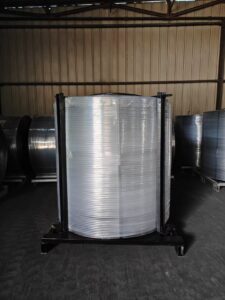
Introduction Calcium silicon cored wire is a reliable tool for inclusion modification and desulfurization. It gives better calcium recovery than pure wire in most practices and it adds silicon at the same time. Many steelmakers use it as their standard calcium carrier. But there is a question that
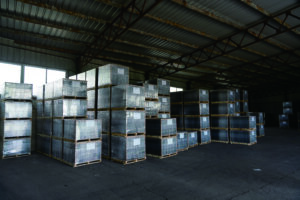
Magnesia Carbon Brick Quality What to Look for When Buying
Introduction Magnesia carbon bricks are the backbone of most modern EAF and BOF linings. They protect the furnace shell from molten steel, slag and thermal shock. When they work well, a lining lasts hundreds or thousands of heats. When they fail early, the cost in downtime and relining is enormous.
Calcium Iron Cored Wire When to Choose It and When Not to
Introduction Calcium iron cored wire sits in an awkward spot in the product lineup. It is not as powerful as pure calcium wire. It does not add silicon like calcium silicon wire. But it is cheaper than both. For many steelmakers, that trade off is exactly what they need. For others, it is a false economy.
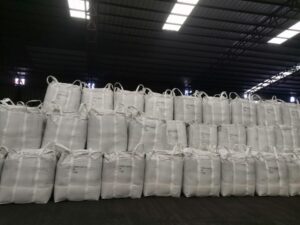
Ferro Boron in Practice, What Buyers and Operators Need to Know
Introduction Ferro boron is one of those alloy additions that looks simple on paper. You buy a bag, you add it to the ladle and the steel gets the boron it needs. In reality, the difference between a good result and a bad one often comes down to details that are easy to overlook. The boron specification on