Introduction
Ferro boron is one of those alloy additions that looks simple on paper. You buy a bag, you add it to the ladle and the steel gets the boron it needs. In reality, the difference between a good result and a bad one often comes down to details that are easy to overlook. The boron specification on the certificate is just the starting point.
At JINLI GROUP, we supply ferro boron to steel mills that use it for hardenability control in low alloy steels. Over the years, we have seen the same issues come up again and again. This article covers the practical side of ferro boron: what to check when you receive it, how to choose the right size and grade, what can go wrong during addition.
What Ferro Boron Actually Is
Ferro boron is an alloy of iron and boron, typically containing 15% to 20% boron. The balance is iron, with small amounts of silicon, aluminum and carbon. It comes in various forms: lump, granule or powder. The form you choose affects how it is added and how well it dissolves.
The boron in the alloy is there to do one specific job: segregate to the prior austenite grain boundaries and suppress ferrite formation. This allows the steel to form bainite or martensite at slower cooling rates. In plain terms, boron increases hardenability dramatically without requiring large additions of chromium, molybdenum or nickel.
But boron only works if it reaches the steel in the right form. Oxygen and nitrogen are its enemies. If boron reacts with either one before it dissolves, the hardenability effect disappears. That is why the addition practice is just as important as the alloy quality.
What to Check on a Ferro Boron Certificate
When you receive a shipment, the certificate tells you the chemistry. But not all numbers are equally important.
Boron content is the obvious one. A typical grade is 18% to 20% boron. The supplier should give a specific number for each batch, not a range. If the certificate says 18.5% but your own lab tests find 17.2%, you have a consistency problem. Variation of more than 0.5% from batch to batch makes your addition calculations unreliable.
Aluminum content matters because aluminum is a deoxidizer. A small amount of aluminum in the ferro boron helps protect the boron during addition. But too much aluminum can change the steel’s grain size or contribute to oxide inclusions. A good ferro boron has 1% to 3% aluminum, balanced and controlled.
Silicon and carbon are usually minor impurities. They are not harmful in small amounts, but if they are too high, they can affect the steel chemistry. For most grades, silicon below 3% and carbon below 0.5% are acceptable.
Titanium is sometimes present. Titanium is added to some ferro boron grades deliberately to fix nitrogen and protect boron. If your steel practice already includes a titanium addition, you may not need extra titanium in your ferro boron. If you do not add titanium separately, a boron alloy with some titanium can be helpful.
Lump, Granule or Powder, Which One to Choose
Ferro boron comes in different physical forms and the choice affects how it performs.
Lump ferro boron, typically 10 to 50 mm, is the traditional form. It is added to the ladle during tapping or to the furnace during alloying. The lumps sink into the steel and dissolve gradually. Recovery is usually good, but the lumps can take time to dissolve completely. If you have a short ladle treatment time, lumps may not dissolve fully.
Granular ferro boron, typically 1 to 6 mm, is more common now. The smaller size dissolves faster and gives more consistent recovery. It can be added through a hopper or a pneumatic injection system. Granules are also easier to blend with other alloys if you make custom additions.
Powder ferro boron, below 1 mm, is used for injection or for very precise additions. The fast dissolution is an advantage, but powder also has more surface area for oxidation. Dust losses can be a problem if the powder is not handled carefully.
For most ladle additions, granular material in the 2 to 5 mm range is a good balance. It dissolves quickly enough for most practices and does not create excessive dust.
The Oxygen and Nitrogen Problem
Boron has a strong affinity for oxygen and nitrogen. If either one is present when the boron is added, the boron will form boron oxide or boron nitride. Neither compound contributes to hardenability. In fact, boron nitride can even embrittle the steel.
That is why ferro boron should always be added after the steel is fully deoxidized. The standard sequence is: add aluminum to kill the steel, add any titanium or zirconium if you use them for nitrogen control and then add the ferro boron. Do not add ferro boron before the aluminum has had time to react.
Some steelmakers add ferro boron together with the aluminum in a single bag. This can work if the bag is designed to release both materials at the same time. But in general, separate additions give better control.
Another factor is the nitrogen level in the steel itself. If your scrap or hot metal has high nitrogen, you may need to add titanium or zirconium before the boron. These elements tie up the nitrogen and prevent it from reacting with the boron.
Common Addition Mistakes
Let me share a few errors that we see repeatedly.
Adding ferro boron too early is the most common mistake. If the steel still has free oxygen, the boron will be wasted. Wait until the oxygen activity is below 5 ppm or until the aluminum addition has been fully assimilated.
Adding ferro boron too late is another issue. If you add it in the last minute before casting, the boron may not dissolve completely. Uneven distribution leads to inconsistent hardenability from heat to heat. Add ferro boron at least five to ten minutes before casting.
Not stirring after addition is a problem with lump or granular ferro boron. The alloy needs mixing to dissolve and distribute evenly. If you just drop it on the surface and do not stir, the boron may stay in the slag or dissolve only partially.
Using the wrong particle size for the addition method is a common oversight. If you use coarse lumps in a pneumatic injection system, the pipe will clog. If you use fine powder in a ladle addition, it may blow away. Match the size to the equipment.
Quality Checks You Can Do on Arrival
A few simple tests on the shop floor can catch problems before they affect your steel.
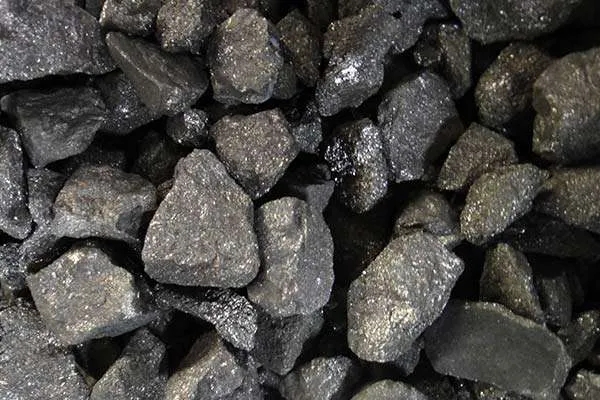
Look at the surface. Fresh ferro boron has a metallic grey appearance. If the pieces have a white or brown coating, the alloy has oxidised. That oxide layer contains boron oxide, which is useless for your steel. Reject heavily oxidised material.
Check the dust. Pour a small sample of ferro boron through a sieve with 1 mm openings. If more than 5% passes through, there are too many fines. Those fines will oxidise quickly and reduce recovery.
Check the moisture. Ferro boron does not absorb moisture as aggressively as calcium alloys, but it can pick up some humidity. If the material feels damp, dry it before use or reject it. Moisture in ferro boron can cause hydrogen pickup in the steel.
Send a sample to the lab. The certificate is a starting point, but independent verification gives you confidence. Test the boron content, the aluminum content and the particle size distribution. If the results do not match the certificate, talk to your supplier.
At JINLI GROUP, we test every batch of ferro boron before shipping. Our certificates are accurate and we stand behind them. But we also encourage our customers to do their own incoming inspection.
Storage and Handling
Ferro boron is not as reactive as calcium carbide or pure calcium, but it still needs reasonable care. Store bags on pallets, off the concrete floor and covered. Keep the material dry. Moisture is not a major problem for the boron itself, but it can cause clumping and make handling difficult.
Do not store ferro boron near oxidising materials. The fine dust from ferro boron can be combustible in high concentrations. Standard dust control and fire prevention measures apply.
When Ferro Boron Is Not the Answer
Ferro boron is a powerful tool, but it is not a cure all. There are situations where it does not help or where other additions are better.
If your steel already contains significant amounts of chromium or molybdenum, the extra hardenability from boron may not be needed. The effect of boron is most pronounced in low alloy steels. In high alloy steels, the contribution is smaller.
If your steel has very high nitrogen, boron may not be effective even with titanium addition. The nitrogen ties up the titanium and the boron is still vulnerable. In such cases, you may need to reduce nitrogen at the source rather than rely on boron.
If your steel requires very low boron for certain specifications, ferro boron may not be suitable. Some grades intentionally avoid boron because of its effect on impact toughness. Check your customer requirements before adding.
Conclusion
Ferro boron is a small addition but a powerful one. It allows you to achieve high hardenability without the cost of traditional alloying elements. But the benefits depend on consistent quality and correct practice.
When you buy ferro boron, check the certificate, inspect the material and match the particle size to your addition method. When you add it, make sure the steel is fully deoxidised, add it at the right time and stir well. Small details make the difference between a good result and a disappointing one.
At JINLI GROUP, we supply ferro boron that meets consistent specifications. We also help our customers get the best results from it. If you are using ferro boron and not seeing the expected hardenability, talk to us. We can help you identify the issue and improve your practice.
If you have any needs, please contact us without any hesitation!