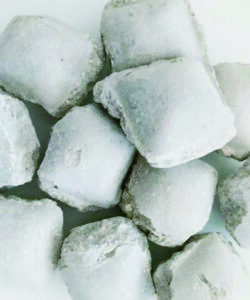

What Caustic Calcined Magnesite Does in Your Steelmaking Practice
Introduction If you work in a steel plant, you have probably seen bags of magnesite products around the furnace area. Some are labelled DBM, some are labelled CCM. They look similar and they come from the same raw material, but they do completely different jobs. Caustic calcined magnesite, often sh
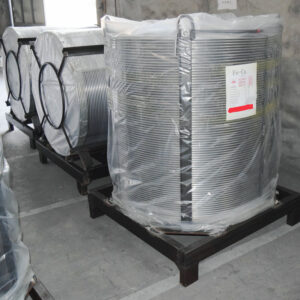
When Only Pure Calcium Cored Wire Will Do
Introduction Pure calcium cored wire is the strongest tool in the calcium treatment toolbox. It delivers more calcium per meter than any other cored wire product and its effect on inclusions is unmatched. But that power comes with a price, both in dollars and in handling difficulty. Many steelmaker
How to Get Better Results from Calcium Carbide
Introduction Calcium carbide is one of those materials that has been around forever. Every steelmaker knows what it does. It desulfurizes, it deoxidizes and it is cheaper than most alternatives. Yet not every mill gets good results from it. Some see sulfur drop reliably heat after heat. Others struggle wit
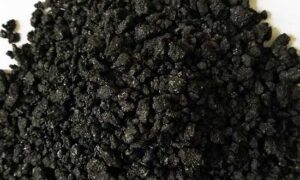
Graphitized Petroleum Coke or CPC When to Pay More
Introduction If you buy recarburizer for steelmaking, you know there are choices. The two most common are CPC or calcined petroleum coke and GPC or graphitized petroleum coke. They look similar. They both add carbon to steel. But the price difference can be significant, often 20% to 40% more for GPC.
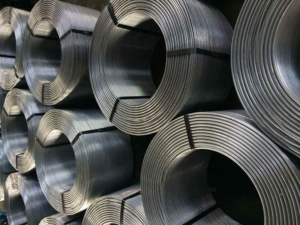
Seamless Cored Wire or Seamed Which One is Right for You
Introduction If you have been buying cored wire for a while, you have probably seen two different versions of the same product. One looks like a normal wire with a visible seam along the side. The other looks smooth, like a solid rod. That smooth one is seamless cored wire. Both products do the sam
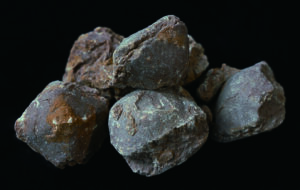
How to Choose Dead Burnt Magnesite That Actually Lasts
Introduction Your furnace lining is only as good as the raw materials that go into it. Dead burnt magnesite, often abbreviated DBM, is the backbone of most basic refractories used in steelmaking. If the DBM is inconsistent, your brick performance suffers. If the purity drops, your lining wears faster.
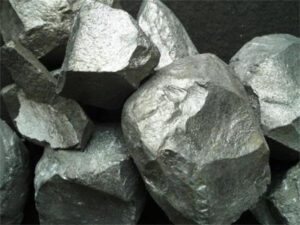
How to Use Calcium Silicon Alloy Without Wasting It
Introduction Most steelmakers today use cored wire for calcium treatment. It is clean, precise and easy to automate. But there is still a place for calcium silicon alloy in lump or granular form —— especially in smaller mills, foundries or situations where a wire feeder is not available. The challe
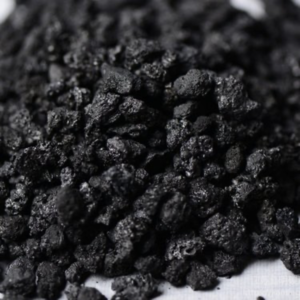
How to Choose and Use CPC for Steelmaking
Introduction Carbon adjustment seems simple. You need a certain carbon level in the steel, so you add a recarburizer. But not all carbon is the same. If you have ever seen carbon recovery bounce between 60% and 90% from one heat to the next, you know there is more to it. Calcined petroleum coke (CP
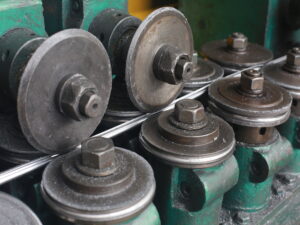
Getting More From Calcium Cored Wire
Introduction You have a coil of calcium cored wire on the wire feeding machine. The steel is ready. You press start. The wire goes in, there is the familiar white flash and the heat continues. But did you get the calcium effect you paid for? On some heats, yes. On others, maybe not. &nb
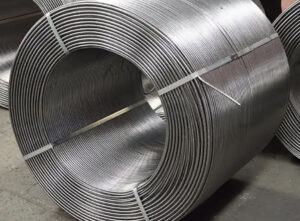
Why CaSi Cored Wire Often Beats Pure Calcium Wire in the Ladle
Introduction If you have ever fed pure calcium wire into a ladle, you know the show. A loud pop, a burst of white smoke, sometimes even a small flare. It looks powerful. But is it efficient? Not always. In many steelmaking situations, CaSi cored wire – calcium silicon – quietly does a better jo
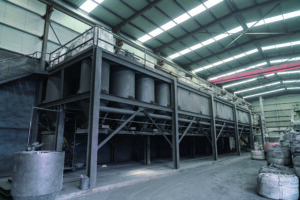
How to Extend Magnesia Carbon Brick Lining Life
Introduction Walk into any electric arc furnace(EAF) shop or basic oxygen furnace plant and you will see them. Magnesia carbon bricks line the hottest, most aggressive zones of the furnace —— the slag line, the tap hole, the bottom. Without these bricks, a furnace campaign would last only a few heats inste
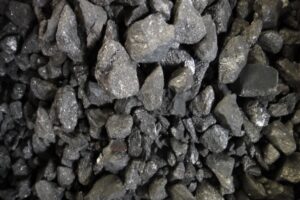
Ferro Boron in Steelmaking
Introduction Walk into any steel plant that produces heat-treatable grades or specialty steels and you will hear about boron. Not because chemists love complicated elements, but because ferro boron that is added in minute quantities can dramatically improve hardenability. A few thousandths of a percent of