Introduction
When people hear calcium carbide, most think of acetylene gas for welding or chemical synthesis. But in the steel industry, calcium carbide has been a useful additive for decades – especially in ladle metallurgy. It is not as flashy as pure calcium cored wire and it is not a hot topic at conferences. Yet many steel shops keep a stock of calcium carbide for specific jobs because it simply works.
At JINLI GROUP, we supply calcium carbide to steel mills and steelmakers who need a dependable, cost‑effective agent for deoxidation and desulfurization. In this article, I will share what calcium carbide really does in the ladle, when you might want to use it and what to watch out for. No marketing fluff, just practical experience.
What is Calcium Carbide Exactly?
Let us start with the chemistry. Calcium carbide is a compound of calcium and carbon, with the chemical formula CaC₂. In its pure form, it is a greyish‑black solid. When it comes into contact with water, it releases acetylene gas – which is why it must be stored in dry conditions.
In steelmaking, we use a granular form of calcium carbide. The typical commercial grade contains around 80% to 90% CaC₂, with the balance being free carbon, calcium oxide and other minor impurities. The particle size is usually between 0.5 mm and 5 mm, ready for injection or addition into the ladle.
Now, why would you put a material that reacts with water into molten steel? Because at high temperatures, calcium carbide decomposes and provides two powerful elements: calcium and carbon. The calcium reacts with oxygen and sulfur, while the carbon helps with deoxidation as well. It is a kind of two‑in‑one reagent.
How Does Calcium Carbide in the Ladle?
The reaction sequence is quite interesting. When calcium carbide enters the molten steel, the heat causes it to dissociate. The calcium vaporizes and immediately starts reacting with dissolved oxygen and sulfur. The carbon also reacts with oxygen to form carbon monoxide gas, which can help stir the bath.
Firstly, the calcium from carbide reacts with alumina (Al₂O₃) inclusions to form liquid calcium aluminates. These are easier to remove and do not clog the continuous casting nozzle. This is the same inclusion modification effect you get from calcium cored wire, just delivered through a different route.
Secondly, calcium carbide is a strong desulfurizer. The calcium reacts with sulfur to form calcium sulfide, which floats up into the slag. Many steelmakers use calcium carbide in the ladle furnace to push sulfur down to very low levels – sometimes below 0.005%.
Thirdly, the carbon monoxide bubbles generated by the carbide reaction create some gentle stirring. This improves the contact between the additive and the steel and helps flotation of inclusions.
However, there is a catch. The reaction of calcium carbide with steel is not as clean as with pure calcium cored wire. It produces some gas, which can cause fuming and even spattering if added too aggressively. That is why experienced operators control the addition rate carefully.
When Do Steelmakers Choose Calcium Carbide?
Based on what we have seen from our customers, there are several situations where calcium carbide becomes the preferred choice.
To begin with, when deep desulfurization is needed in the ladle furnace but you do not want to use a large amount of expensive calcium cored wire or calcium silicon cored wire. Carbide is cheaper per unit of calcium delivered. For sulfur levels below 0.010%, a combination of calcium carbide and synthetic slag works very well.
Secondly, when you are already using a carbon‑based deoxidizer and want to add a calcium source without changing your whole practice. Calcium carbide gives you both carbon and calcium in one product.
Additionally, in smaller steel mills or foundries that do not have a wire feeder for cored wire. Calcium carbide can be added manually or through a simple pneumatic injection system. It is a low‑tech but effective solution.
Another scenario is when you are treating very hot steel or large ladles where the high temperature might cause pure calcium cored wire to vaporize too quickly. The carbide releases calcium more gradually, so you may actually get better recovery.
That said, calcium carbide is not a universal answer. For high‑grade aluminum‑killed steels that need strict inclusion control, most modern mills prefer calcium cored wire because it gives more precise and repeatable results. But for many carbon steels, construction steels and even some pipeline grades, calcium carbide still has a place.
Advantages You Can Expect
Let me list the practical benefits that steelmakers report when using calcium carbide from a reliable supplier like JINLI GROUP.
Cost effectiveness is the biggest one. Calcium carbide is significantly cheaper per kilogram than calcium metal or calcium alloys. If your treatment does not require extreme precision, the cost saving can be substantial.
Good desulfurization efficiency – when used with a proper slag, calcium carbide can reach sulfur levels below 0.005%. The calcium reacts with sulfur to form CaS, which is stable and easy to remove.
Deoxidation assistance – the carbon in carbide helps reduce the oxygen activity, which in turn improves the efficiency of other alloys you add later.
Simplicity – you do not need expensive wire feeding equipment. A simple hopper and a pipe can work. This is a real advantage for shops with tight budgets.
Flexibility – you can add calcium carbide in the ladle after tapping or during the ladle furnace heating period. It fits into many existing practices.
Potential Drawbacks and How to Manage Them
No product is perfect and calcium carbide has its own challenges. Being honest about them helps you avoid problems.
First of all, calcium carbide reacts with moisture in the air. If the storage is not dry, the material will degrade and produce acetylene gas, which is flammable. You must store carbide in airtight containers or a dedicated dry room. And never leave bags open.
Then, the reaction in the ladle produces carbon monoxide gas. This is not a major issue in a well‑ventilated ladle furnace area, but operators should be aware. Some fuming is normal.
What’s more, the desulfurization and inclusion control are not as precisely tunable as with cored wire. If your quality requirements are very tight – for example, for automotive exposed panels – you will probably rely on calcium wire. But for many other grades, carbide is perfectly acceptable.
How do you manage these? Firstly, always buy from a reputable supplier that seals the product properly. And then, use a covered injection system or add the carbide slowly in small increments. Last but not least, keep your slag basic and fluid so that the CaS can be absorbed.
Tips for Using Calcium Carbide Effectively
After talking with many customers, here are some practical pointers that have worked well on the shop floor.
Start with the right particle size. Too fine will cause dusting and rapid reaction. Too coarse will sink to the bottom and react slowly. A size range of 1–4 mm is typical for injection.
Add calcium carbide after deoxidation with aluminum. If you add it before, the oxygen will eat up the calcium before it can touch sulfur. The standard sequence is: aluminum deoxidation → calcium carbide for desulfurization and inclusion modification.
Consider a combination practice. Some steelmakers use a small amount of calcium wire for final inclusion control, but rely on calcium carbide for the bulk of desulfurization. This hybrid approach can optimize both quality and cost.
Check your slag. For calcium carbide to work well, the slag should be fluid and basic (high CaO, low SiO₂). A too‑acidic slag will absorb the calcium oxide from the carbide less effectively.
Why JINLI GROUP for Calcium Carbide?
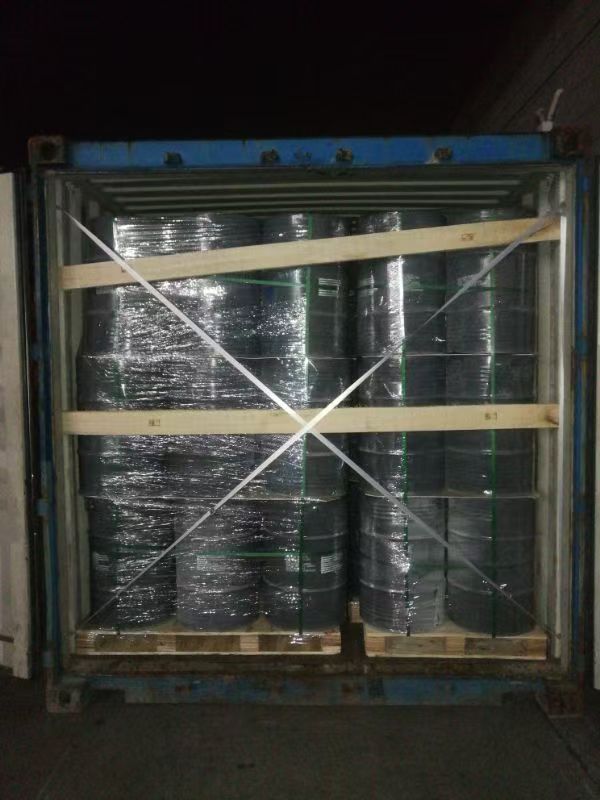
We at JINLI GROUP have supplied calcium carbide to steel mills in Asia, the Middle East and Africa. We know that the product is not a high‑tech specialty – but that does not mean quality does not matter. We supply carbide with consistent composition, proper packaging (sealed drums or waterproof bags) and reliable particle size distribution.
We also understand that carbide requires careful logistics. Our export packaging is designed for sea freight, with moisture barriers and strong pallets. We can arrange delivery to your port or even to your plant gate.
Beyond the product, our team can offer basic technical support – from recommended addition rates to troubleshooting if you see poor recovery. We are not just selling a commodity; we are helping you solve a metallurgical problem.
Conclusion
Calcium carbide is an old but still useful tool in the steelmaker’s kit. It is not glamorous and it will not win any innovation awards. But it is reliable, affordable and effective for many applications – especially desulfurization and deoxidation in carbon and construction steels.
At JINLI GROUP, we supply quality calcium carbide with the same care we put into our cored wires and ferroalloys. If you are looking for a practical, cost‑conscious way to improve your ladle metallurgy, give calcium carbide a look. And if you need a partner who will answer your questions honestly, we are here.
Contact us to talk about your needs, request a sample or get a quote. We would like to help you make better steel – without overcomplicating things.
If you have any needs, please contact us without any hesitation!