
Pure calcium cored wire is not a single product. It comes in different diameters, different powder weights and different sheath thicknesses. Two wires that look similar on the outside can behave very differently in the ladle. One may feed smoothly and give good recovery. Another may break in the feeder or melt too early and waste calcium.
Many mills order the same specification they have always used, without asking whether it is still the best fit. Equipment changes, steel grades change and the optimal wire specification can change with them. For a closer look at when pure calcium wire is the right choice at all, see our article on when only pure calcium cored wire will do. This article focuses on the specification itself.
If you have ever wondered whether a different diameter or powder weight would improve your results, this article is for you. We will look at the three main variables: diameter, powder weight and sheath thickness and how each one affects feeding, recovery and cost.
Diameter: The First Choice
The diameter of pure calcium cored wire typically ranges from 9 mm to 13 mm. The choice depends on your ladle size, your feeder capacity and the depth you need to reach.
A smaller diameter wire, such as 9 mm or 10 mm, is easier to feed. It requires less force from the feeder rolls and can negotiate tighter bends in the guide system. It is a good choice for smaller ladles, for shops with older or lower-power feeders and for applications where the wire needs to reach a precise point in the ladle.
However, a smaller diameter wire contains less calcium per meter. If you need a large calcium addition, you will need to feed more meters, which takes more time. In a shop with short treatment cycles, that extra time can be a problem.
A larger diameter wire, such as 12 mm or 13 mm, delivers more calcium per meter. It is a good choice for large ladles, for high-volume calcium treatment and for shops where feeding time is limited. But larger wire requires a stronger feeder and a guide system that can handle the stiffness. If your feeder is not powerful enough, the wire may slip or break.
The best diameter is the one that matches your feeder capacity and your required calcium addition rate. If you are unsure, start with the diameter you are using now and check whether the feeder is operating near its limit. If it is, a smaller diameter may improve reliability. If you have excess feeder capacity and need faster treatment, a larger diameter may help.
Powder Weight: How Much Calcium per Meter
Powder weight is expressed in grams per meter. It tells you how much calcium is packed into each meter of wire. A typical pure calcium wire has a powder weight of 50 to 120 grams per meter, depending on the diameter and the filling density.
The powder weight determines how many meters you need to feed to achieve a given calcium addition. If you know your target calcium addition in kilograms per ton and you know your heat size, you can calculate the required wire length. A wire with a higher powder weight requires fewer meters. A wire with a lower powder weight requires more meters.
But powder weight is not just about calculation. It also affects feeding behavior. A wire with a very high powder weight may be stiffer and harder to feed, especially if the diameter is small. A wire with a low powder weight may be more flexible but may also have more voids in the core, which can lead to inconsistent calcium release.
For most mills, a powder weight in the middle of the range for a given diameter works well. If you need more calcium per meter, consider increasing the diameter rather than pushing the powder weight to the maximum. That gives you more calcium without sacrificing feeding reliability.
Sheath Thickness: Strength vs Melting Speed
The steel sheath protects the calcium core and determines how the wire behaves during feeding and melting. Sheath thickness typically ranges from 0.4 mm to 0.6 mm for pure calcium wire.
A thicker sheath gives the wire more strength. It is less likely to break in the feeder or to kink in the guide system. This is important if your feeder has a long or complex path or if you are feeding at high speed. A thicker sheath also delays the start of melting, allowing the wire to reach deeper into the ladle before the calcium is released.
But a thicker sheath also takes longer to melt. If the sheath is too thick, the wire may reach the bottom of the ladle without fully dissolving. The calcium remains trapped inside the sheath and never reacts with the steel. That is a waste of money and a potential source of inclusions.
A thinner sheath melts faster. The calcium is released earlier, which can be an advantage if your treatment time is short. But a thin sheath is weaker and more prone to breakage. It also offers less protection against moisture during storage.
The right sheath thickness depends on your feeding depth, your feeder capability and your storage conditions. For deep ladles and long feeding paths, a thicker sheath is usually better. For shallow ladles and short treatment times, a thinner sheath may work well.
Coil Size and Weight
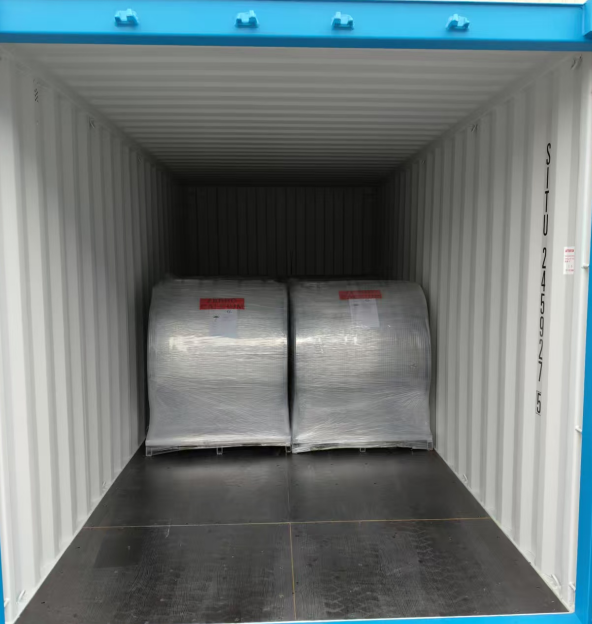
Pure calcium cored wire is supplied in coils. The coil weight affects how often you need to change coils and how much storage space you need.
A heavier coil means fewer changes, which reduces downtime. But a heavier coil is also harder to handle and requires a stronger pay-off system. A lighter coil is easier to handle but requires more frequent changes.
Most suppliers offer coil weights from 200 kg to 1000 kg or more. For a shop with a high treatment rate, a heavier coil is usually better. For a shop with limited crane capacity or storage space, a lighter coil may be more practical.
Also consider the coil inner diameter. It must match your cored wire feeding machine. If the inner diameter is too small or too large, the coil will not sit properly and may not feed smoothly.
Matching the Specification to Your Practice
Here is a simple way to think about specification selection.
If your feeder is the limiting factor, choose a smaller diameter or a lighter coil. If your treatment time is the limiting factor, choose a larger diameter or a higher powder weight. If wire breakage is a problem, choose a thicker sheath. If the wire is not melting completely, choose a thinner sheath or reduce the diameter.
If you are unsure, ask your supplier for a trial coil with a different specification. Run it on a few heats and compare the feeding behavior and the calcium recovery. That is the most reliable way to find the best fit.
For tips on improving recovery with your current specification, see our article on getting more from calcium cored wire in the ladle.
What to Check When You Receive a New Specification
When you try a new specification, check a few things on arrival.
Measure the diameter at several points along the coil. It should be consistent within the tolerance stated by the supplier. A variation of more than 0.2 mm can affect feeding.
Cut a one meter sample and weigh it. Compare the weight to the specified powder weight and total weight. A variation of more than 3% suggests inconsistent filling.
Bend a short piece 90 degrees. The sheath should bend smoothly without cracking. A cracked sheath will leak calcium powder.
Check the coil winding. The wire should come off smoothly without tangles or kinks. A poorly wound coil will cause feeding interruptions.
Contact us if you need help selecting the right specification for your ladle and feeder. We supply pure calcium cored wire in a range of diameters, powder weights and sheath thicknesses. And we can provide trial coils for evaluation.
If you have any needs, please contact us without any hesitation!